The Ritual

Vermouth: the drink that shaped
the history of Turin

For nearly two and a half centuries, a fortified wine infused with wormwood and a precise choreography of botanicals has defined the aperitivo hours in town. At Casa Vermouth, we treat it as what it has always been: an invitation to slow down.

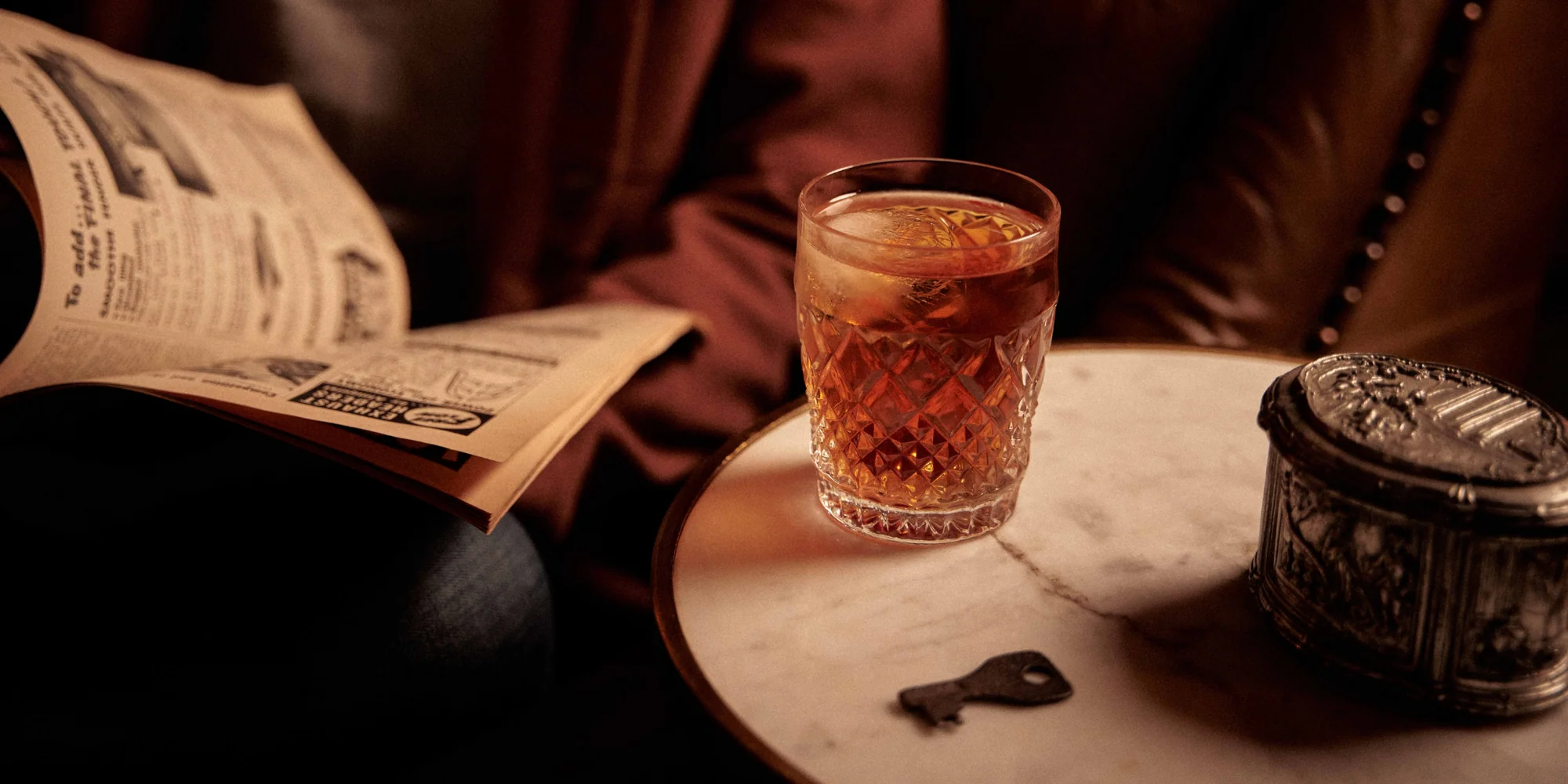
A vermouth cocktail in a stemmed glass, lit in warm amber light

The Four Acts

Two and a half centuries of Turin's aperitivo, in brief.

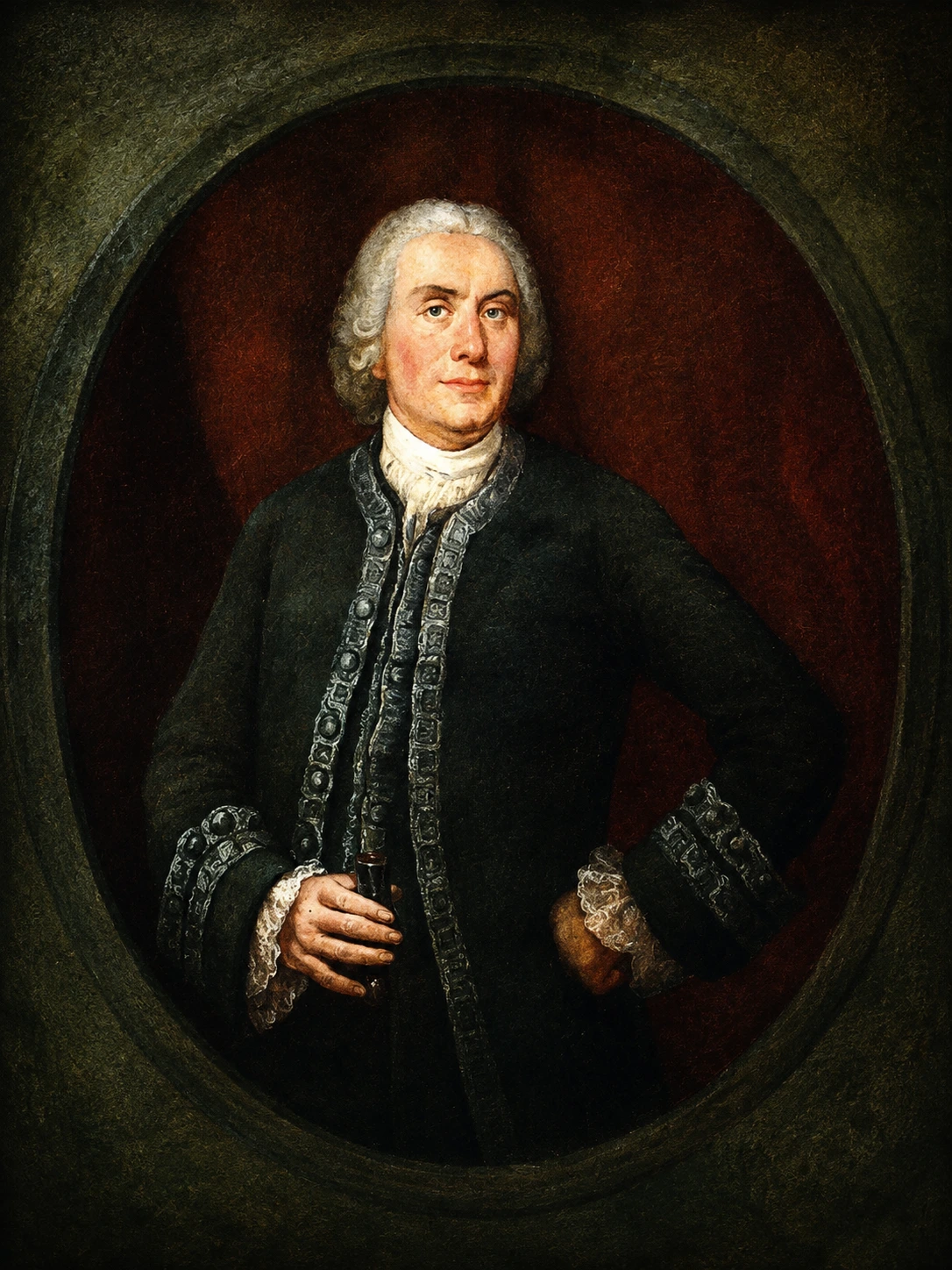
Antonio Benedetto Carpano, a young piemontese herbalist, opens a tiny bottega beside Palazzo Reale. He calls his creation vermouth, from the German Wermut — wormwood. Within weeks, the court of Vittorio Amedeo III is sending servants to queue for bottles. A new category is born, and it is born here, in Turin.

Read the full story

By the Belle Époque, vermouth is the social currency of Europe's capitals. Cinzano, Martini & Rossi, Gancia — Turin's great houses dress the tables of Paris, Vienna, Buenos Aires. The ritual of the aperitivo enters the daily grammar of the bourgeoisie. Vermouth is no longer a drink; it is a civilisation.

Read the full story

Then, silence. Industrial cocktails, global spirits, the changing rhythms of postwar leisure — vermouth slips into the dusty shelf behind the bar, remembered only as a quarter-ounce in a martini. For nearly four decades, the word itself becomes a kind of nostalgia.

Read the full story

A new generation of artisans — many of them piemontesi — begin to ask what vermouth would taste like if made with the same care as a grower champagne. Small producers emerge. In 2017, Vermouth di Torino earns its IGP, anchoring the category to its birthplace. Casa Vermouth is a product of this moment.

Read the full story
Composition

Anatomy of a Glass

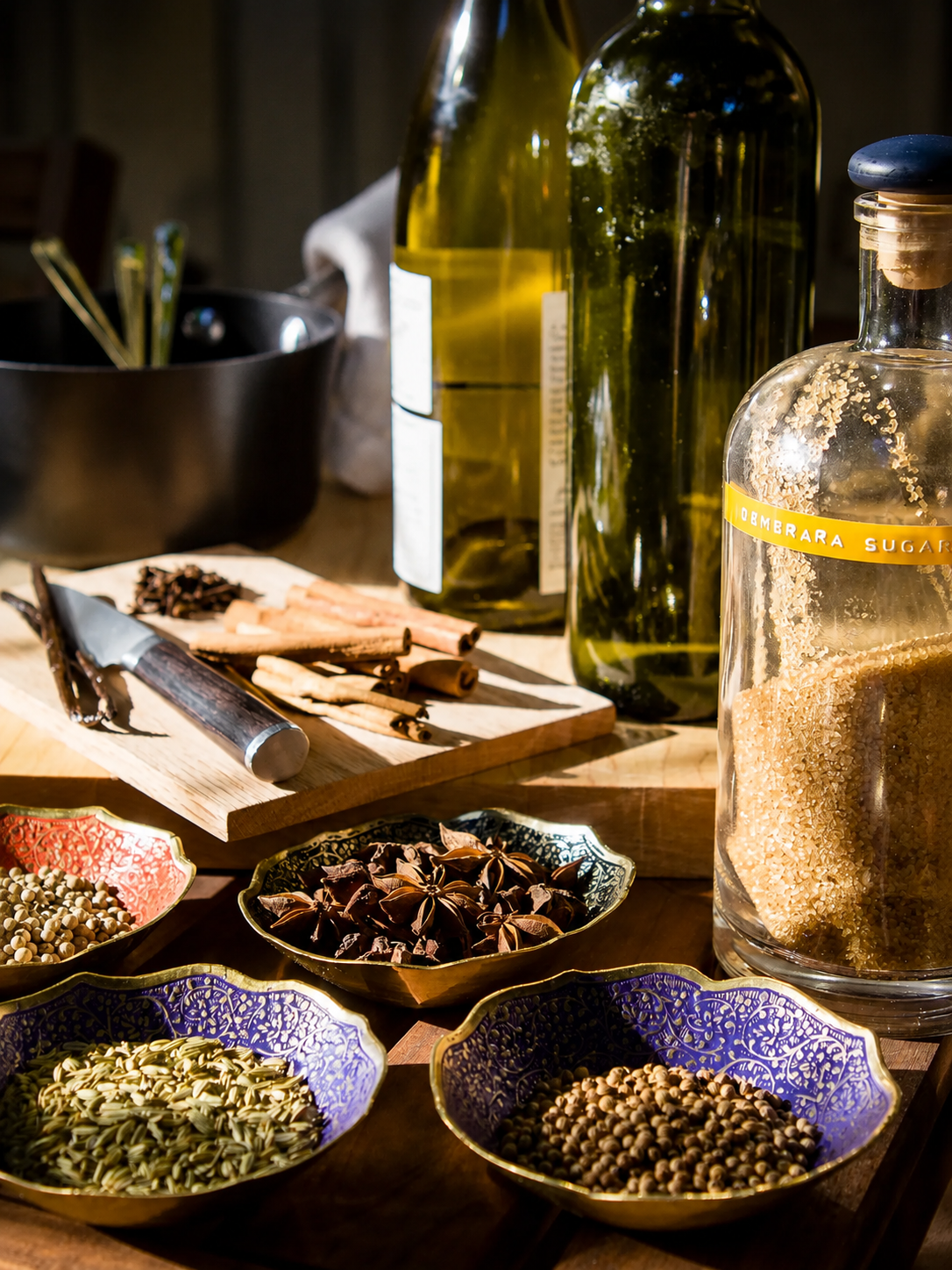
Five components calibrated to the gram — wine, fortifier, syrup, botanicals and a touch of caramel — then poured over ice and lifted with orange. As old as modern chemistry, as alive as a garden.

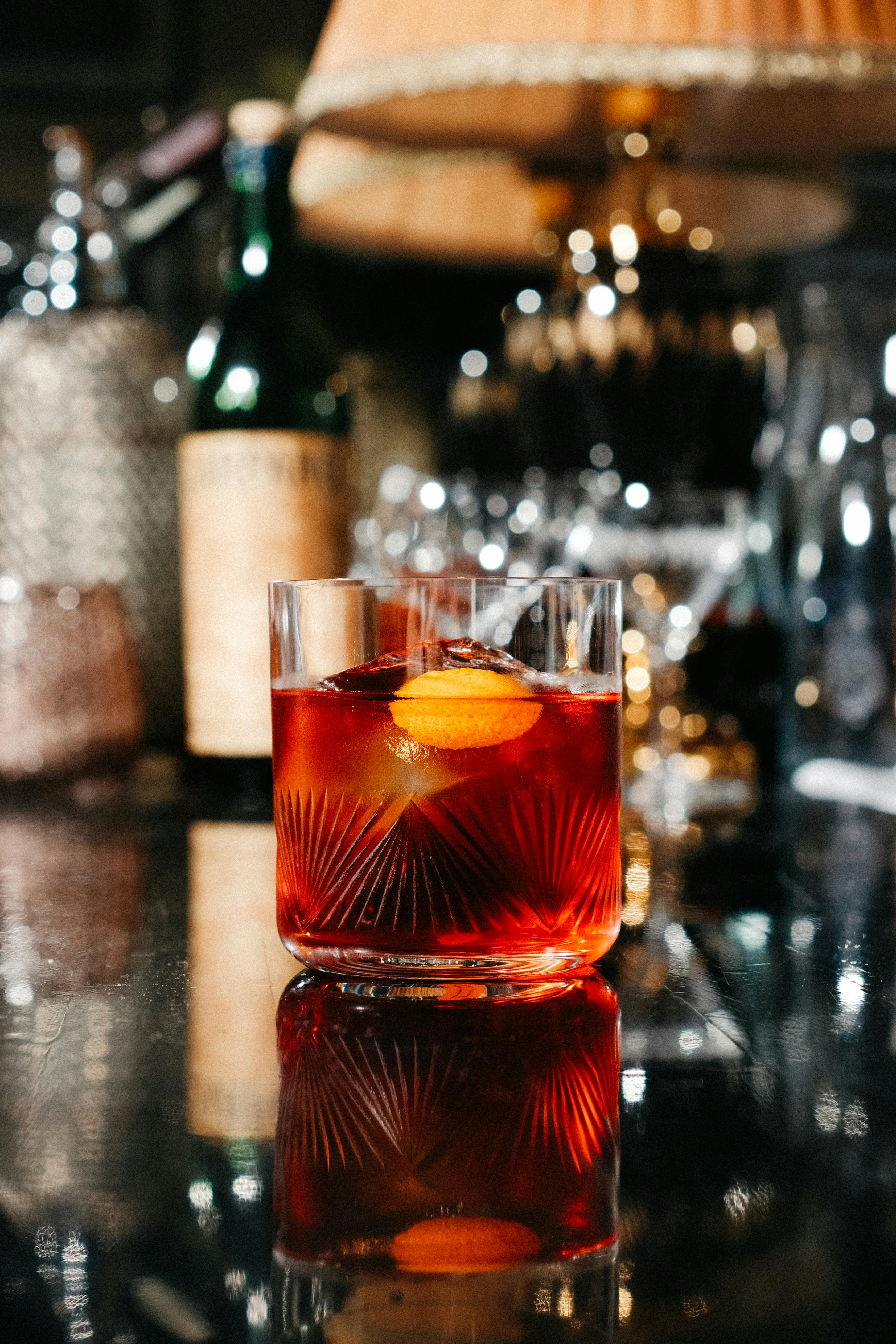
The house goblet — ice, a wedge of orange.

The serve

The Turinese serve. Pour the vermouth over ice, finish with a wedge of orange on the rim. Everything before the ice is measured to the gram; everything after is pleasure.

Five components, over thirty botanicals, calibrated to the gram. A composition regulated by Vermouth di Torino IGP since 2017.

The Casa Vermouth Bar

Our Collection

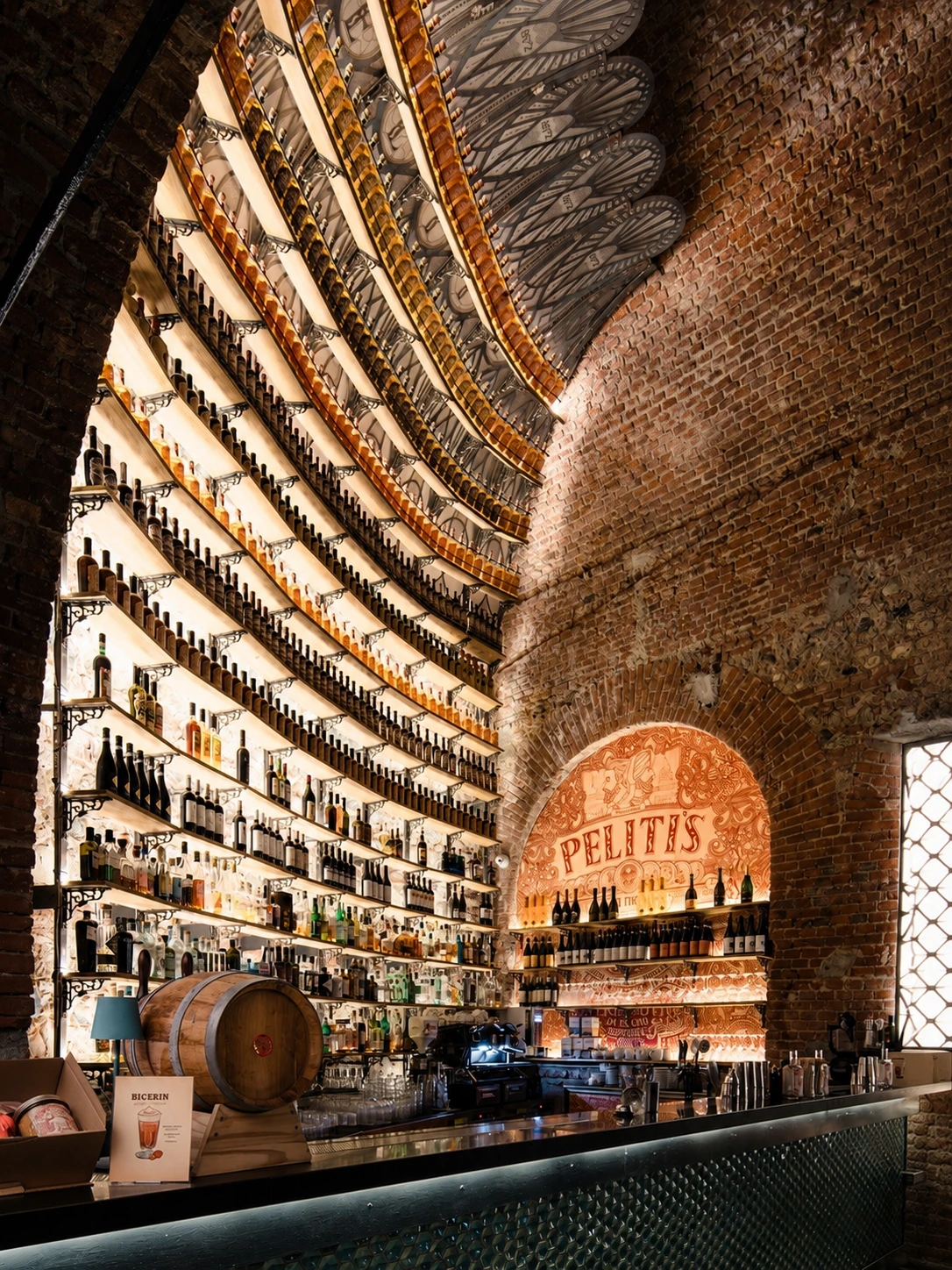
The window is being dressed. A private bar of Vermouth di Torino — each bottle selected, not bought — to be unveiled with the Casa.

Coming Soon
A Preview
The Bar Collection
Six houses of Vermouth di Torino, poured at the Casa
The House Menu

Our Signature Cocktails

Six drinks built on Vermouth di Torino — each one named for something you can see, or very nearly see, from the windows of the Casa. Turn the page.

Vermouth & Soda

The Whale in the Attic

Illustration of a whale — the emblem of The Whale in the Attic
No. I
  • White Vermouth50 ml
  • Dry Gin15 ml
  • Soda40 ml
  • Sea Salt2–3 grains
How to prepare it

Build directly in a wide glass over one large block of ice. Give it a gentle stir until the salt is dissolved, top with soda and finish with a piece of dried lemon peel.

From where you are right now, just look outside towards Palazzo Carignano. See the highest row of windows on the north wing, the side Turin calls Midnight?

Somewhere behind those windows hides one of the palace's more unexpected residents: the fossil skeleton of an eight-metre whale, unearthed in 1959 from the Pliocene sediments of Valmont Asca, in the hills east of Turin.

A whale in the hills of Piedmont sounds like a mistake. It isn't. Several million years ago, much of what is now Piedmont lay beneath a warm sea. The hills of the Langhe and Monferrato were seabed; the vineyards came considerably later. Whales, dolphins and other marine animals swam above landscapes that today produce Barolo, Barbera and Moscato. Their fossils are still being found in the Asti area.

So look at the windows, imagine the whale in the attic, and have a drink to what is left of that vanished coastline.

Vermouth & Tonic

Nietzsche's Window

Illustration of a lit window — the emblem of Nietzsche's Window
No. II
  • White Vermouth50 ml
  • Dry Gin10 ml
  • Tonic Water25 ml
  • Soda25 ml
  • Aromatic Bitter1 ml
How to prepare it

Build directly in a wide glass over one large block of ice. Add the vermouth and gin, then equal parts tonic and soda. Finish with one dash of aromatic bitters and a dried orange peel.

Friedrich Nietzsche first arrived in Turin in the spring of 1888 and, when he returned that September, came back to the same furnished room at Via Carlo Alberto 6, on the upper floor of this very building complex.

Imagine Nietzsche as your neighbour for a moment. Passing him on the stairs. Hearing him at the piano. Meeting him at the condominium assembly.

From his window he looked towards Piazza Carlo Alberto and Palazzo Carignano. In those rooms, during one extraordinary burst of creativity, he worked on the books of his final lucid months, including Ecce Homo. The commemorative plaque is still on the façade below.

Then, on 3 January 1889, came the collapse in Piazza Carlo Alberto that effectively ended his working life. The famous story of Nietzsche throwing his arms around a beaten horse is one of Turin's most famous legends.

Vermouth & Bitter

Spritz in Galleria

Illustration of the Galleria Subalpina — the emblem of Spritz in Galleria
No. III
  • White Vermouth60 ml
  • Campari Bitter15 ml
  • Soda50 ml
How to prepare it

Build directly in a wide glass over one large block of ice. Add the vermouth and bitter, top with very cold soda and give it just one gentle stir. Finish with a dried orange peel.

Walk out of Casa Vermouth and take a few steps to Via Cesare Battisti 11. There, a doorway opens onto another century.

The Galleria Subalpina, designed by Pietro Carrera and inaugurated in 1874, was conceived as an elegant covered passage between Piazza Carlo Alberto and Piazza Castello: fifty metres of glass, iron and old-world theatre. Above, a great glazed vault filters the light; below, balconies, marbles, mosaics, enriched by the ornamental sculptures of Pietro Rubino.

Then came the cafés. Baratti & Milano moved into the Galleria in 1875 and became one of Turin's great drawing rooms: a place for politicians, writers, artists and the elegant bourgeoisie to meet, talk, observe and be observed.

It is difficult to walk the Galleria without feeling that Turin once took the ritual of the aperitivo very seriously. We see no reason to stop now.

Galleria Subalpina — the full story
Vermouth & Bourbon

17 March

Illustration for 17 March, the cocktail named for the founding of the Kingdom of Italy
No. IV
  • Red Vermouth50 ml
  • Bourbon20 ml
  • Campari Bitter5 ml
  • Aromatic Bitter1 ml
How to prepare it

Build directly over one large block of ice and stir slowly until properly chilled. Finish with a dried orange peel.

Look outside once again at Palazzo Carignano. On 17 March 1861, Italy stopped being an ambition and became a state.

After years of diplomacy, wars, uprisings and improbable alliances, Parliament approved the single article that gave Vittorio Emanuele II the title of King of Italy. The law was signed here in Turin by the King and his ministers, among them Cavour, the political mind that had spent years turning an idea of Italy into reality.

And part of that final act happened directly in front of you. The Chamber of Deputies sat in a temporary parliamentary hall built inside the courtyard of Palazzo Carignano, freely accessible today. For a moment, that courtyard was the political centre of a country being born.

Cavour would enjoy the achievement for less than three months. He died that June. So this one deserves something a little more serious.

Vermouth, Gin & Bourbon

Whist Club 1841

Illustration of playing cards — the emblem of Whist Club 1841
No. V
  • Red Vermouth50 ml
  • Dry Gin10 ml
  • Bourbon10 ml
  • Soda30 ml
  • Aromatic Bitter1 ml
How to prepare it

Build directly in a wide glass over one large block of ice. Add the vermouth, gin and bourbon, followed by one dash of aromatic bitters. Stir briefly, top with very cold soda and finish with a dried orange peel.

In March 1841, thirty-year-old Camillo Benso di Cavour decided that Turin needed a proper gentlemen's club.

The idea was discussed at Caffè Fiorio. He gathered 40 founding members drawn from the Piedmontese aristocracy, the city's bankers, magistrates, officers and professional elite. They would dine, converse, and play whist, the English card game that preceded bridge.

There was only one problem. King Carlo Alberto was suspicious of private clubs and gave his permission on one condition: no politics and no religion were to be discussed inside.

Officially, then, the club was for whist only. But over cards, dinners and long evenings, relationships could be formed and developed. Cavour himself remained a regular even at the height of his political career.

The club still exists today. After merging with the Accademia Filarmonica in 1947, it moved to Piazza San Carlo.

Vermouth & Alta Langa

The House Sbagliato

Illustration for The House Sbagliato, made with Alta Langa DOCG
No. VI
  • Red Vermouth50 ml
  • Campari Bitter20 ml
  • Alta Langa DOCG Brut60 ml
How to prepare it

Pour the vermouth and bitter into a wide glass over one large block of ice and stir briefly. Top slowly with very cold Alta Langa, give the glass one gentle lift with the bar spoon, and finish with a dried orange peel.

Some cocktails are perfected over years of experimentation. Others begin with someone reaching for the wrong bottle.

Around 1972 at Bar Basso in Milan, bartender Mirko Stocchetto created what would become the Negroni Sbagliato: red vermouth and bitter, but sparkling wine where a Negroni would normally call for gin. The famous story says Stocchetto simply picked up the wrong bottle. Whether accident or inspired substitution, the mistake became a classic.

We thought one good mistake deserved another. So we brought the Sbagliato east from Milan to Turin and replaced the Prosecco with Alta Langa DOCG, Piedmont's vintage traditional-method sparkling wine, produced predominantly from Pinot Noir and Chardonnay.

Two mistakes and no regrets.

Count Negroni — the full story
From the Journal

The Story Continues

Essays, dispatches and investigations — written in-house, published unhurriedly.